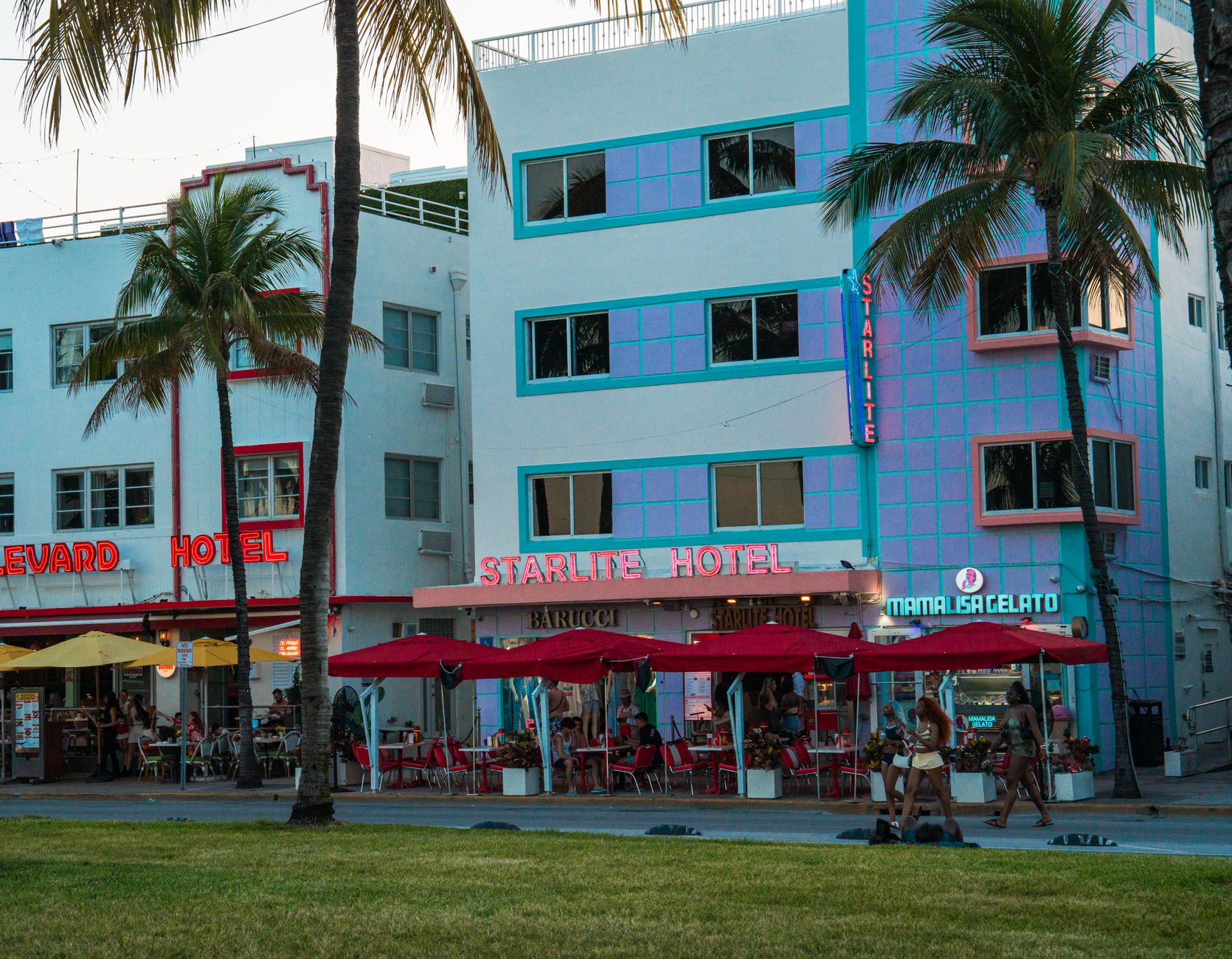
Walking into a lifestyle hotel feels like visiting a friend’s chic apartment, not another uniform chain. You get surrounded by art, unique furniture, and a vibe that whispers, “Stay a while.” These hotels are booming, with the lifestyle hotel segment reaching $7.5 billion globally by 2023. So what does that mean for how you book?
Lifestyle hotels cater to guests looking for experiences reflecting today’s trends and a sense of community. They attract a crowd that values more than just a place to crash; they want a curated identity that speaks to their lifestyle. This article dives into what makes these hotels special, highlights key players in the industry, discusses revenue models, and offers tips for booking and budgeting effectively.
What Is a Lifestyle Hotel?
At its heart, a lifestyle hotel defines identity. It’s about the experience, not just the room. These hotels usually have around 100 to 250 rooms, so they feel cozier compared to the larger convention hotels, which often exceed 400 rooms. This smaller scale fosters a more intimate vibe, allowing for personalized service and unique ambiance.
Local culture often shapes their design and offerings. For instance, an Ace Hotel might highlight artwork from local artists or have a coffee shop teaming up with a nearby roaster. They aim to create an authentic space that connects to its community.
Moreover, lifestyle hotels focus on innovative architecture and stylish design elements that really make them pop. Many repurpose historic buildings, giving them charm. The decor isn’t just trendy—it’s about creating a sense of place that resonates with guests’ tastes.
Key Brands and Price Ranges
The lifestyle hotel segment owes much to innovators like Ace Hotel, 21c Museum Hotels, and Kimpton, which started making waves in the 1990s and 2000s. These brands set the bar for lifestyle hotels and redefined how travelers perceive hospitality.
Pricing tends to be higher for lifestyle hotels. Generally, the average daily rate (ADR) is 20–35% more than similar full-service hotels. For instance, citizenM hotels charge between $150 and $250 per night, with rooms typically under 161 square feet. Here, it’s all about the experience, not the square footage.
As this trend expands, big chains like Marriott, Hilton, and IHG have jumped in with sub-brands like Moxy, Curio, and Voco. They spotted the trend and adapted to grab a piece of this lucrative market.
Revenue Models Focused on Food and Community
Lifestyle hotels operate on different revenue models than traditional hotels. Food and beverages can contribute up to 40% of total revenue. This includes on-site restaurants and lively bar programs that draw in locals, not just guests. The goal is to create vibrant spaces where people like to hang out, whether they’re hotel guests or just passing through.
Local partnerships also make the experience richer. A lifestyle hotel might host local artists, musicians, or wellness classes, inviting both travelers and locals to join in. This holistic approach boosts revenue and enhances the guest experience.
Design plays a vital role, too. Inside, you’ll often find a cozy mix of whimsical furnishings and thoughtful layouts inviting guests to unwind or socialize. For instance, a lounge might showcase vintage furniture while indie music sets the perfect backdrop, making you want to linger.
Booking and Budgeting Tips
Booking a lifestyle hotel isn’t quite the same as traditional hotels. First, consider what experience you want. Are you after a lively nightlife, or do you prefer a chill, artsy vibe? Once you have that figured out, start comparing options. These hotels can book up fast, especially in peak seasons.
Many lifestyle hotels offer unique packages including meals or local tours, which can be great value. Plus, checking for loyalty programs can help you save some cash, especially if you frequently stay with a specific brand.
Budgeting is key. Since lifestyle hotels tend to charge more, make sure to allocate your funds wisely. Dining at the hotel restaurant can eat into your budget more than off-site dining. Do check for any happy hour specials or meal deals the hotel offers to save a bit.
And always read reviews. Guest experiences vary widely. Look for consistent feedback on what matters to you—be it service, location, or noise levels.
FAQs
What is the difference between a boutique hotel and a lifestyle hotel?
Lifestyle hotels emphasize a curated experience and community focus, while boutique hotels highlight unique design and personalized service without the broader lifestyle identity.
Are lifestyle hotels worth the higher price?
They can be well worth it if you’re seeking a unique atmosphere and vibrant experience, especially for travelers who value design and community engagement.
Which hotel chains own lifestyle brands?
Major brands like Marriott (Moxy, Curio), Hilton (Canopy, Voco), and IHG (Hotel Indigo, Kimpton) own lifestyle hotel brands, responding to growing demand for curated experiences.



1 Comments
Comments are closed.