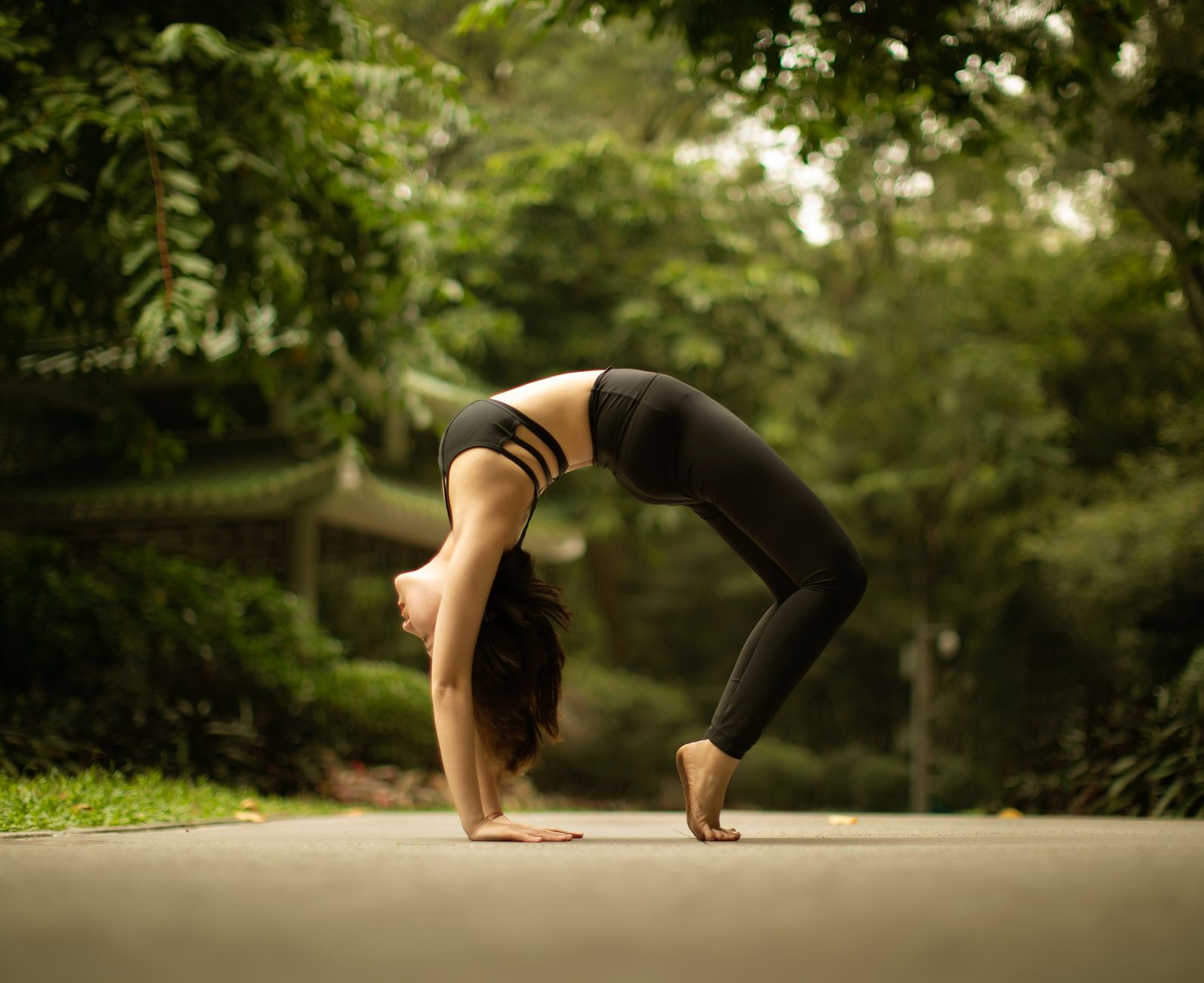
A yoga lifestyle isn’t something you do three times a week at a studio. It’s closer to a framework you run your whole day through, and that’s the distinction most people miss when they start out. With roughly 300 million practitioners worldwide as of 2023, yoga has clearly outgrown gym-trend status, but plenty of people are still treating it as exercise with some stretching attached, and then wondering why nothing feels different after a month.
What separates people who genuinely feel changed after six months from those who just get more flexible? Usually it comes down to whether they adopted the practice or just the poses. Not the same thing.
What a Yoga Lifestyle Actually Means
The yoga lifestyle is a set of daily rhythms and ethical commitments that organize how you move, eat, think, and rest. The physical postures (asanas) are one layer, but they sit inside a larger structure. Two principles worth knowing early are ahimsa (non-harm, toward yourself and others) and satya (truthfulness). These aren’t abstract philosophy — they show up in concrete choices: whether you push through pain in a pose, whether you’re honest about how much recovery time you actually need.
Traditional lineages treat ethics as foundational, with the physical practice built on top. Most Western students do it backwards, starting with poses and finding the philosophy later, if at all. Neither path is wrong, but understanding this context explains why a yoga lifestyle feels so different from a regular workout. It asks you to run your choices through a filter, not just your body through sequences.
Daily Habits That Define Practice
In traditional yoga schedules, a 5 AM sadhana is common. That’s not arbitrary. Early morning, before the day’s noise accumulates, is when focused breathwork and meditation are genuinely easier to sustain. Most people I know who built a consistent practice started at 6:30 or 7 AM and moved earlier over several weeks, rather than setting a 5 AM alarm on day one and quietly failing for a month.
The other daily anchor most practitioners share is some form of pranayama, structured breathing. Even ten minutes of alternate nostril breathing or simple diaphragmatic work shifts the nervous system noticeably. From what I’ve seen, breath practice is what actually drives the stress-reduction benefits people report, more than the asana itself.
Yoga nidra is worth its own mention because most beginners don’t know it exists. It’s a non-movement practice, done lying down, typically running 20 to 40 minutes. Sometimes called yogic sleep, the brainwave activity observed during yoga nidra sits between waking and deep sleep. For people with high-stress jobs or patchy sleep, adding one session two or three times a week can honestly be more useful than an extra vinyasa class.
Eating and Sleeping the Yogic Way
Sattvic food is the dietary framework traditional yoga recommends. Fresh, lightly cooked, seasonal, not overly stimulating. In practice that means less meat, less processed food, less caffeine, and a lot of overlap with a whole-food plant-based diet. You don’t have to be vegetarian (more on that in the FAQs), but most long-term practitioners reduce animal products over time, not because anyone told them to, but because heavy meals genuinely interfere with morning practice.
Meal timing matters too. Eating a large meal two to three hours before any practice is standard guidance, and it holds up. I’ve ignored it and paid for it. The sattvic framework also discourages eating late at night, which lines up with what sleep research has been saying for years about digestion and sleep quality.
Sleep in a yoga lifestyle isn’t passive. Getting to bed before 10 PM is a recurring recommendation across Ayurvedic and yogic traditions, partly because a 5 AM start requires it. Whether you buy the philosophical reasoning or not, the math is simple: six to eight hours plus a 5 AM alarm means you’re in bed by 9 or 10. That constraint alone restructures an evening.
Starting Without Overhauling Your Life
The biggest mistake people make is trying to adopt the whole yoga lifestyle in week one. New diet, new sleep schedule, daily 6 AM classes at $15 to $25 a session, that’s $90 to $150 a week before you’ve built any habit at all. Burnout follows fast.
A more durable approach: pick one anchor habit and hold it for three weeks before adding anything. Most people do well starting with a 15-minute morning practice, even just five minutes of breathwork followed by ten minutes of movement. Free resources are genuinely good now. YouTube channels with structured 30-day beginner programs are not a lesser version of studio classes for someone just starting out.
Add sattvic eating as a gradual shift, not a food purge. Swap one processed meal a week, cook with less oil, eat dinner earlier. Small enough to stick. The yoga lifestyle doesn’t require a dramatic before-and-after; it requires enough consistency that habits start reinforcing each other, usually around the six to eight week mark in my experience (well, mostly — some people take longer and that’s fine).
Studios are worth the money once you have a base. A teacher catches alignment issues that no video will spot, and the community aspect is real. But building your foundation at home first means you show up to class with enough vocabulary to actually get something out of it.
FAQs
Is yoga lifestyle only for vegetarians?
No. Sattvic principles encourage plant-forward eating, but many practitioners eat meat, especially early on. Dietary shifts tend to happen gradually and naturally, not as a requirement for entry.
How long before yoga lifestyle changes show results?
Most people notice sleep and stress improvements within three to four weeks of consistent daily practice. Deeper changes in flexibility or mood regulation typically take two to three months.
Can you follow a yoga lifestyle without daily classes?
Yes. Home practice, breathwork, and mindful eating are all central to a yoga lifestyle. Studio classes are useful but not mandatory, especially once you have a working personal routine.