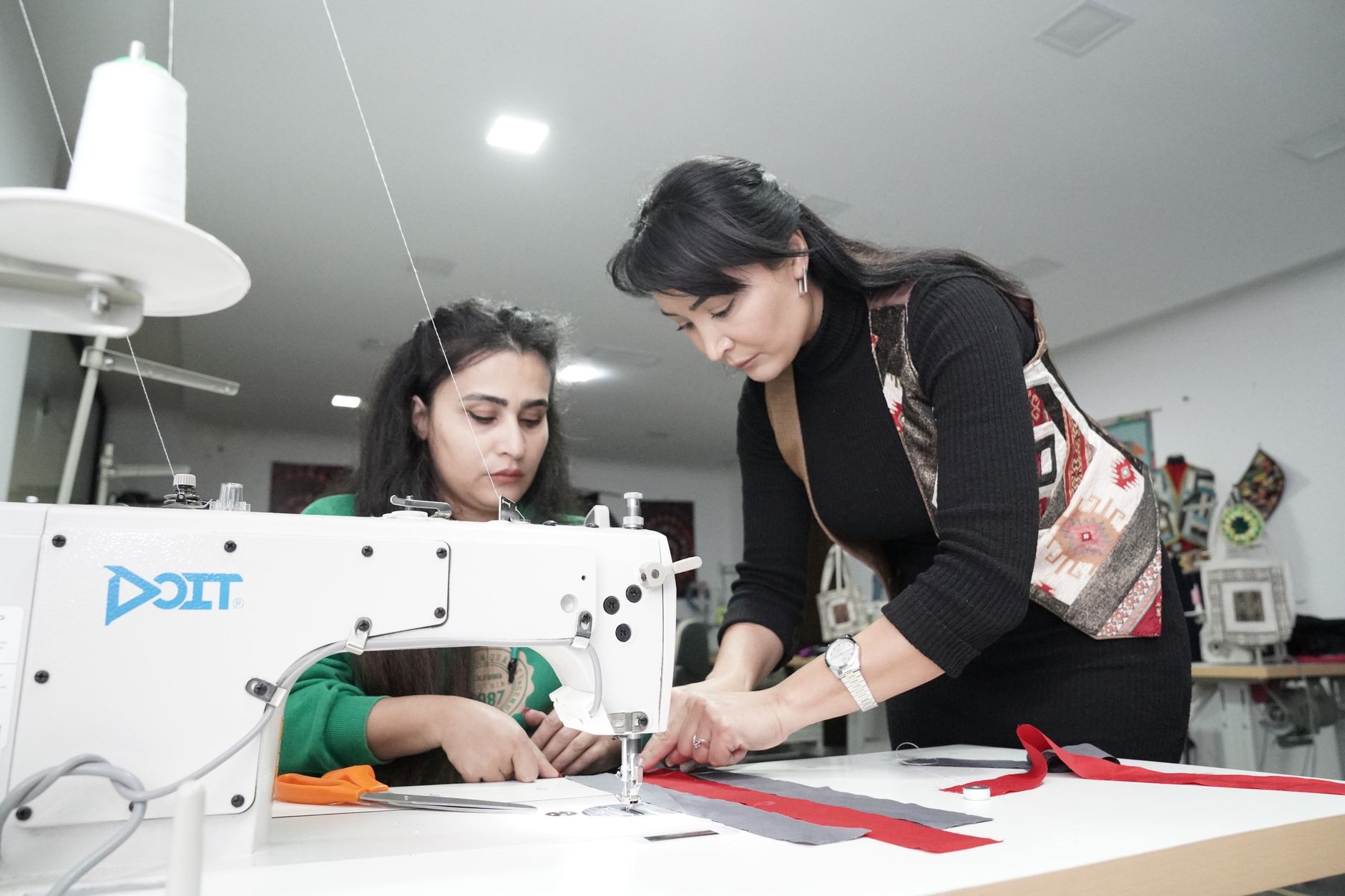
Fashion classes have become super popular lately, with enrollment numbers jumping nearly 30% between 2020 and 2024. A lot of folks still think you need a pile of cash for fancy art school, but that’s not true anymore. You can learn everything from pattern drafting to garment construction for less than a gym membership, sometimes much less.
I got interested in this when a friend wrapped up a 10-week draping course on Skillshare for under $200. Within six months, she was selling made-to-order pieces. She had no formal background at all. That kind of story pops up everywhere these days. Online platforms have truly matured, instructors are often industry pros, and the production quality is on par with community college courses—mostly.
If you’re looking to sew your own clothes, break into styling, or just want to know how the industry rolls, there’s definitely a path that suits your budget and schedule. Here’s what you can find.
Types of fashion classes
There’s a much wider range than people think. On the basics side, you have sewing essentials, hand-stitching techniques, and machine operation. If you go a bit deeper, you’ll find pattern making, draping on dress forms, and garment construction. Then, for those looking to specialize, courses focus on fashion illustration, trend forecasting, textile science, sustainable fashion, and buying and merchandising.
Styling courses are also in demand, covering personal styling, editorial shoots, and wardrobe consulting. Some platforms hone in on niche areas. For example, Craftsy features courses on tailoring menswear, going into detail about canvas interfacing and bespoke jacket construction—topics that most general platforms skip. MasterClass, on the other hand, leans more into inspiration. You’ll get insights from designers like Marc Jacobs, but not much in the way of practical skills.
- Sewing and garment construction
- Pattern making and draping
- Fashion illustration and sketching
- Styling and wardrobe consulting
- Trend forecasting and buying
- Sustainable and ethical fashion
Cost of fashion education
For structured online fashion classes, expect to pay between $200 and $500. That’s the typical range. Short workshops on Udemy can drop to as low as $15 during their frequent sales—basically a steal. Courses on Coursera, especially those linked with institutions like Parsons, usually cost between $300 and $500, including graded assignments and peer reviews.
MasterClass charges about $120 to $180 per year for unlimited access, which is a solid deal if fashion is just one of your interests. Skillshare has a similar yearly plan, typically around $100 to $170, boasting a vast selection of fashion and sewing materials. Craftsy offers individual classes for around $20 to $80, great for those who prefer not to deal with subscriptions.
If you look at in-person options, community colleges often charge between $400 and $900 per semester course. You get hands-on experience and direct feedback from instructors. If you’re learning to sew and don’t have a machine, that access can be crucial in ways people often underestimate.
Online vs. in-person classes
When it comes to price and flexibility, online fashion classes really take the cake. You can pause or replay a video of someone setting a sleeve, which isn’t an option with a live demo. Course lengths vary: short classes on Skillshare or Udemy might last two to four weeks, while structured programs on Coursera can stretch three to six months with set deadlines.
That said, online learning has a downside. The physical properties of fabric don’t really come through a screen. Understanding how bias cut behaves in different fabrics is tricky without feeling the cloth firsthand. In-person classes help you close that gap quicker. For purely theoretical tracks like trend forecasting or fashion history, online is usually just fine. But for hands-on skills, in-person training has a clear advantage, especially at the start.
A hybrid approach seems to work for many. You could tackle theory and illustration courses online, then find a local workshop or community college class to nail down the physical sewing skills. Lots of cities have independent sewing studios offering Saturday intensives for about $75 to $150.
Resources for aspiring designers
Beyond paid courses, there are tons of free resources lately. YouTube channels from experienced sewists, like Evelyn Wood or Annika Victoria, provide detailed construction techniques. The Fashion Institute of Technology offers free lectures on fashion history and theory through their Open FIT initiative. Some Coursera courses even let you audit for free if you’re not in it for the certificate.
Public libraries often provide access to Creativebug or Kanopy, both of which have great craft and design content for cardholders. A handful of universities share full course syllabi publicly, so you can create your own self-guided study plan. Don’t forget about pattern companies either. Brands like Burda, Vogue Patterns, and Simplicity publish instructional materials, and their pattern instructions offer a solid foundation in garment assembly.
If you’re serious about pursuing a career, check if a platform provides certificates recognized by employers. Coursera’s programs associated with Parsons and those from the Fashion Institute pack more punch on your resume than a Udemy badge, to put it bluntly.
Get the most from fashion classes
Fashion classes are genuinely accessible now, and that 30% increase in enrollment since 2020 really shows the demand is there. People aren’t just completing courses; they’re actually applying what they learn. Whether that’s doing freelance alterations, starting a small brand, or breaking into retail buying roles, it’s all happening.
If you ask me, it’s best to start with one affordable, short course focusing on a specific skill before diving into a full program. See if you really want to continue. If that $20 Udemy class on flat pattern making gets you hooked enough to stay up late finishing the exercises, then it’s worth investing more. But if the class stays unwatched, you’ve only lost a little.
FAQs
What are the best fashion classes online?
Skillshare and Coursera offer a broad selection. Coursera’s Parsons-affiliated courses have the most professional appeal, while Skillshare caters well to casual learners and hobbyists on tighter budgets.
How much do fashion design classes cost?
Most structured online fashion design classes range from $200 to $500. Short workshops on Udemy can dip below $20, while subscription platforms like Skillshare cost about $100 to $170 annually.
Can I get a job after online fashion classes?
Absolutely, though certificates from accredited programs are more useful than generic badges. Many grads start in freelance styling, alterations, or small-brand design before moving to larger corporate roles.

1 Comments
Comments are closed.