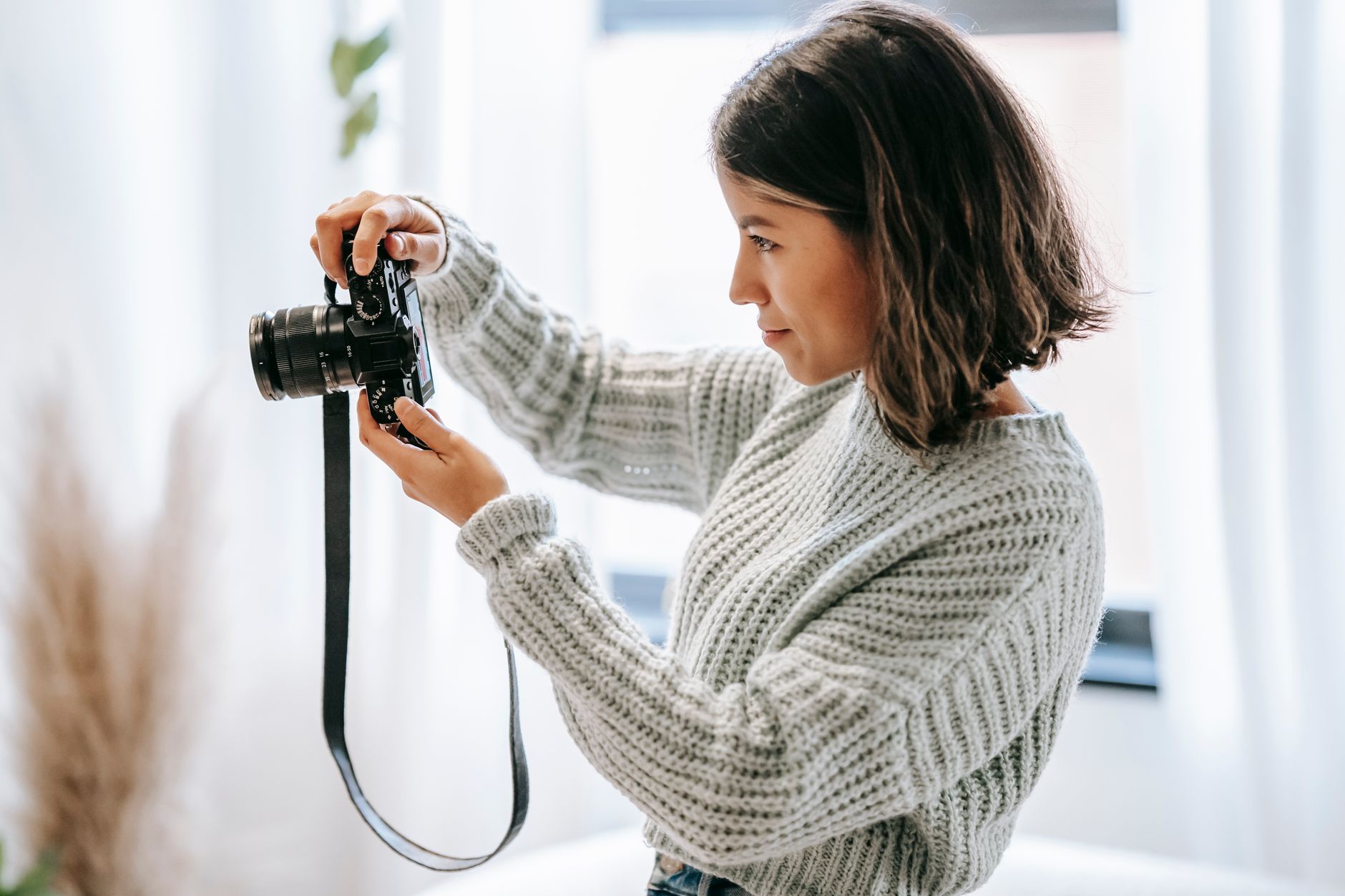
Most people underestimate what a single strong set of images can do. Professional lifestyle photos aren’t just headshots with better lighting — they’re the visual shorthand your audience uses to decide whether they trust you before they read a single word.
I saw this up close with a client who runs a small interior design studio. She’d been using phone snaps from a styled room she’d done two years earlier. Nice room, bad photo. After one proper shoot, her Instagram inquiries roughly doubled within six weeks. Same work, same prices, completely different first impression.
The payoff from lifestyle photography is rarely immediate or obvious, so a lot of people skip it. This article walks through what it actually involves, what it costs, and how to get the most from it.
Defining Professional Lifestyle Photography
Lifestyle photography sits between editorial and portrait work. The goal is to show a person or product in context, doing something real (or at least realistic), rather than posed stiffly against a plain background. For personal brands, that might mean you at your desk, in a coffee shop, or moving through a space connected to your work. For product brands, it usually means the product being used by an actual human.
The “professional” part matters more than people expect. A professional lifestyle photographer controls light, directs the scene, and knows how to make a staged moment look uncontrived. That skill takes years to build. Phone cameras have closed the gap on sharpness, but not on direction, composition, or the ability to put someone at ease in front of a lens.
Cost Considerations and Budgeting
A realistic budget for professional lifestyle photos runs roughly $300 to $500 for a half-day with a mid-level photographer. That usually covers two or three locations, a couple of outfit changes, and a gallery of 30 to 50 edited images. Entry-level photographers charge less, sometimes $150 to $200, but editing quality and art direction tend to drop noticeably. At the higher end, established brand photographers can charge $1,000 or more for a full day, which makes sense if you need a large image library or have specific creative requirements.
What people forget to budget for: location fees if you’re shooting somewhere other than your own space, a hair and makeup artist (usually $80 to $150), and any props or wardrobe. My interior design client spent about $420 all in, including a two-hour studio rental. She used those images for nearly two years across her website, her email header, and her Google Business profile.
Key Benefits of Professional Photos
A few things stand out from what I’ve seen repeatedly. Trust comes first. People buy from people they feel they know, and a warm, polished lifestyle image communicates competence and personality faster than any bio paragraph. Consistency follows: a proper shoot gives you a bank of images with matching light, colour tone, and feel, so your website, social profiles, and proposals all look like they belong together. And longevity matters more than people realise. A good set of professional lifestyle photos can serve you for 18 to 24 months before they feel dated, which keeps the cost-per-use pretty low.
There’s a fourth benefit nobody talks about enough. The shoot itself forces you to clarify your brand, because figuring out what to wear, where to shoot, and what to capture makes you articulate things about your positioning that were previously vague.
Elements of a Great Lifestyle Photo
Not every lifestyle image hits the mark. From what I’ve seen, the ones that work share a handful of qualities.
- Natural light, or light that convincingly mimics it
- A setting directly relevant to the subject’s work or life
- A genuine expression, usually caught mid-movement rather than held
- Negative space so the image can carry text overlays for marketing use
- A colour palette that aligns with the brand’s existing visual identity
The negative space point trips people up. My client’s photographer specifically framed several shots with blank wall space to the left, which meant she could drop a quote or call-to-action over the image without covering her face. Small detail, huge practical value.
Choosing the Right Photographer
Portfolio review is obvious, but look specifically for lifestyle work, not portraits or weddings. A wedding photographer and a brand lifestyle photographer use the same camera while doing very different things. Ask to see the full gallery from one shoot, not just the portfolio highlights. That tells you how consistent they are across 40 images, not just the best five.
Chemistry matters too. You’re going to spend two or three hours with this person while they ask you to act natural in front of a camera, which is inherently awkward. If the consultation call feels stiff, the shoot probably will too. It’s worth paying a bit more for someone whose communication style puts you at ease. I’d also ask directly whether they provide a shot list in advance or prefer to stay loose. Neither approach is wrong, but you want to know which one you’re getting.
Preparing for Your Photoshoot
Give yourself more prep time than you think you need. Wardrobe is the biggest stressor for most people, and tight patterns like small checks or thin stripes distort on camera in ways that are genuinely hard to fix in editing. Bring more options than you plan to use, and pick colours that complement your brand palette rather than clash with the location. My client wore a dusty sage linen top that happened to match the tone of her studio walls. Unplanned, but it worked beautifully.
Scope the location beforehand if you can, especially for outdoor shots where the light changes fast. Morning and late afternoon are generally softer and more flattering than midday. Send your photographer a mood board a week out so they can flag anything unrealistic early, and eat something before you go. Low blood sugar makes people look tense, and tense doesn’t photograph well.
Realizing the Long-Term Value
Professional lifestyle photos earn their cost by working continuously. Every time someone lands on your website, opens your email, or sees your LinkedIn banner, those images are doing a job. My client figured that if even two of her new inquiries from that first post-shoot spike converted, the shoot paid for itself several times over.
The real mistake is treating photography as a one-time vanity spend rather than a recurring brand investment. Schedule a refresh every year or two, keep the image library updated as your work evolves, and think of it the same way you’d think of updating your website copy. Your brand matures, the world shifts, and your photos should keep pace.
FAQs
What is lifestyle photography?
Lifestyle photography captures people or products in natural, contextual settings rather than posed studio environments, aiming to show how someone actually lives or works.
How much do lifestyle photos cost?
Most mid-level shoots run $300 to $500 for a half-day, including editing. Budget an extra $100 to $200 for location rental, hair, or props.
How can I prepare for a photoshoot?
Bring multiple outfit options in brand-aligned colours, scout your location in advance, and send the photographer a mood board at least a week before your shoot date.

1 Comments
Comments are closed.