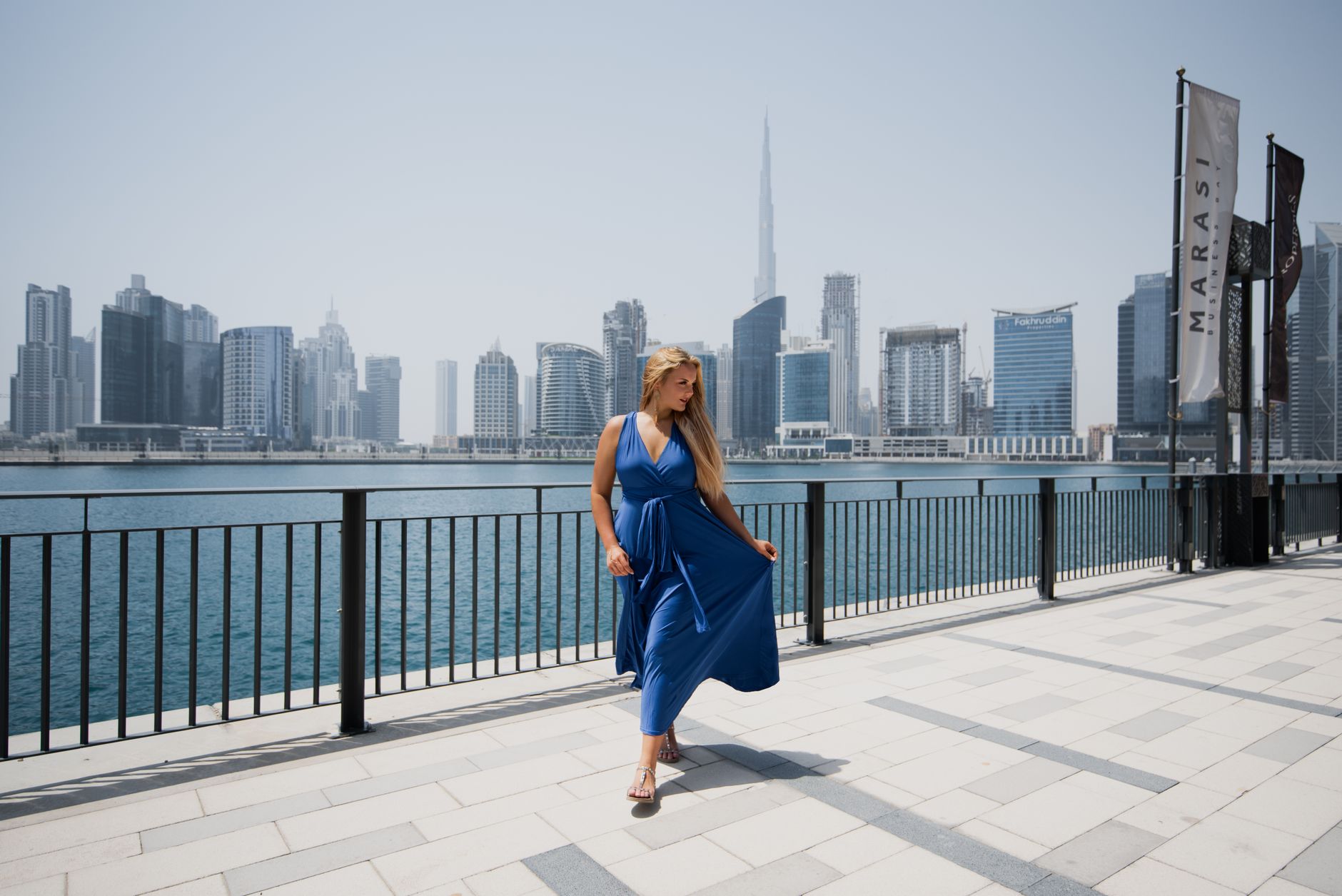
Dubai’s skyline gets all the attention, luxury hotels, mile-long malls, supercars at every traffic light. And yes, some of that is real. But the actual dubai lifestyle is shaped by something less cinematic: a city where almost everyone is from somewhere else, where summer heat rewrites your entire daily routine, and where not paying income tax genuinely changes how you think about money. I’d say the everyday rhythm is what defines it, not the spectacle.
About 92% of Dubai’s residents are expatriates, which makes it unlike almost any other city on earth. You’ll meet colleagues from India, Nigeria, Australia, and the Philippines all in the same office. That creates something genuinely energetic, though it also means the city never quite stops feeling like a place people pass through rather than plant roots.
Who Actually Lives in Dubai
The expat mix covers everyone from construction workers to finance directors, so “expat salary” is a wide range. Most white-collar professionals I’ve spoken to land somewhere between AED 15,000 and AED 25,000 a month, though that shifts a lot by industry and seniority. Tech and finance tend to run higher; hospitality and retail noticeably lower.
What draws most people is straightforward: no personal income tax. That single fact changes the maths on almost every financial decision you make here. A client of ours relocated from London earning a similar gross salary and found herself meaningfully better off month to month, even after rent. Whether that advantage holds depends entirely on your spending habits.
Many arrivals are young professionals or small families looking for a two or three year run before deciding what’s next. Entrepreneurs show up too, drawn by free zone structures and relatively light bureaucracy. Few come planning to stay forever, which probably says something about the place.
Daily Rhythms Heat Forces
From June through September, temperatures sit at 40 to 45°C by midday, sometimes higher with humidity on the coast. That’s not uncomfortable. That’s a health risk if you’re outdoors for long. So the day reorganises itself: a morning walk at 6am is pleasant, the same walk at noon is a bad idea, and evenings from around 7pm become the social window.
Malls and cafés absorb most of the social life during summer. They’re not just shopping centres; they’re where people meet, eat, exercise in the basement gyms, and genuinely spend whole afternoons. It sounds strange until you’ve lived through August here. Then it makes complete sense.
October to May is a different city. Outdoor brunches, beach clubs, desert camping, street festivals. That six-month stretch is what most long-timers actually move here for, and it’s genuinely good. One other thing worth knowing: the workweek runs Sunday to Thursday since 2022, when the government shifted the weekend to Friday and Saturday. Takes a few weeks to stop scheduling calls with London on a Friday by accident.
Cost of Living Broken Down
Dubai ranked 17th on Mercer’s 2023 Cost of Living Index, which puts it firmly in expensive-city territory. Rent carries most of the weight. A one-bedroom in Dubai Marina runs roughly AED 90,000 to AED 110,000 a year, usually paid in one to four cheques upfront (that part surprises most newcomers). Areas like Jumeirah Village Circle come in lower and are worth considering if you’re watching the budget.
Food costs depend heavily on how you eat. Groceries from a supermarket like Carrefour or Spinneys are reasonable, especially local produce and basics. Dining out sits around AED 60 to AED 150 per person at a mid-range restaurant, and most residents eat out several times a week because it fits the lifestyle and, honestly, because cooking in a small apartment when it’s 44°C outside loses its appeal fast.
Utilities, including the air conditioning that runs almost constantly from May to October, can push AED 700 to AED 1,200 monthly depending on apartment size. Add transport, and the total picture is expensive but manageable on a professional salary, especially without income tax pulling a chunk away first.
What Long-Term Residents Say
People who’ve been here five years or more tend to have a clear-eyed view of the dubai lifestyle. They’ll tell you the convenience is hard to give up: things get built fast, services work, the city is genuinely safe. Most say they feel a sense of community, usually within national or professional groups, because the city is large enough to find your people.
But the transience is real and I think it’s the thing most people underestimate before moving. Friends leave when contracts end. You can invest in a social circle and then watch half of it disperse inside a year. Long-termers learn to keep a loose grip on that. They also flag cultural navigation as a slow learning curve: understanding what’s appropriate publicly, how Ramadan changes the pace of work and social life, how to read local etiquette in business settings.
From what I’ve seen, the people who thrive here are genuinely flexible, not just in theory. The city rewards that and quietly frustrates those who arrived expecting home comforts with better weather.
Is Dubai Worth It for You
Honestly, it depends on where you are in life. For someone early in their career, the tax-free income combined with strong professional networks makes a two or three year stint genuinely valuable. For families, the international school options are good but expensive, often AED 50,000 to AED 80,000 per child annually. That’s a real cost that eats into the tax advantage.
The dubai lifestyle rewards people who engage with it rather than just endure the summer or stick to expat bubbles. The city has a lot going on beneath the luxury-brochure surface, and most of the people I know who’ve left still talk about the place with a kind of affection they didn’t expect to feel.
FAQs
Is Dubai more affordable than London?
For many professionals, yes, mainly because there’s no income tax. But rent and international school fees can close that gap quickly depending on your situation.
Can expats buy property in Dubai?
Yes, in designated freehold areas. The legal process is manageable but understanding ownership structures before signing anything is worth the time.
What’s social life like for foreigners in Dubai?
Genuinely active, with events across most cultures and interests. The downside is that friendships can feel impermanent when people leave on short contracts.