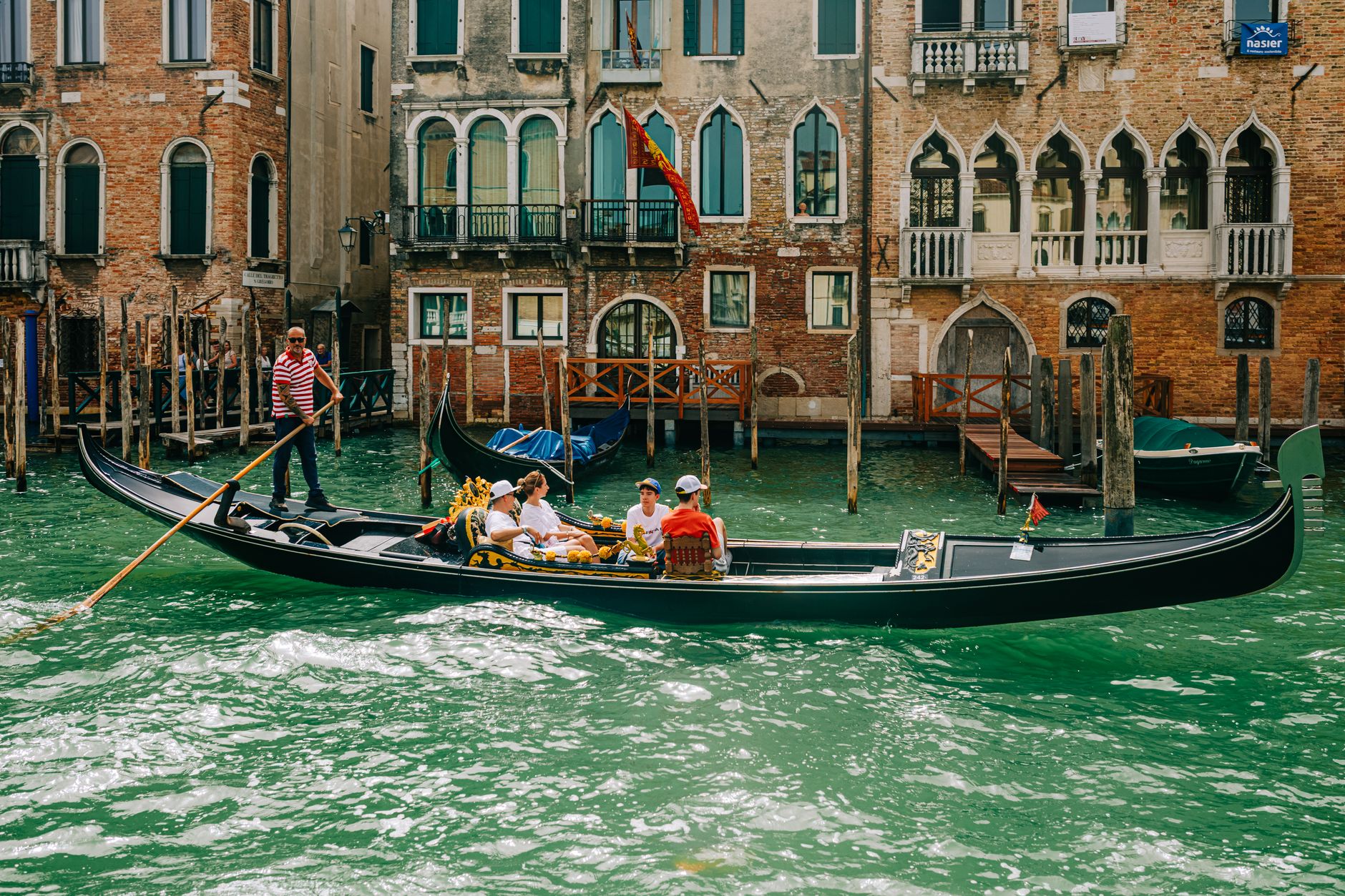
The italian lifestyle often gets misinterpreted by those who haven’t experienced it firsthand. Many people assume it’s just about beautiful items: linen tablecloths, vintage Vespas, or enjoying slow espresso on a lovely terrace. Sure, these things exist. But they’re really just symptoms of something deeper. Underpinning daily Italian life is a strong, almost revolutionary belief: a refusal to let work take over every moment.
A couple of years back, I spent some time in Rome and Lecce. Honestly, the first thing that hit me wasn’t the mouthwatering food or stunning architecture. It was how most shops closed in the afternoon. And I’m not talking just a few shops. This was a norm. Nobody seemed upset about it, either. That was my big takeaway.
If you think about it, a clearer picture starts to form: Italian life is organized with intention. Meals serve a purpose beyond just nourishment. The piazza is more than just a picturesque square. The lunch break isn’t laziness; it’s a critical part of the daily routine, holding everything together.
The Real Daily Rhythm
A typical Italian weekday kicks off early, usually between 7 and 8 am, with a quick espresso at the bar. Standing costs less, and at some Roman bars, that’s about €1 to €1.30. People don’t linger there. The real enjoyment happens later.
Work fills the morning hours, then it’s time for lunch, a true break. Italians often take one to two hours for lunch. In southern regions, like Sicily and Calabria, riposo runs from about 1 to 4 pm. Shutters go down, streets quiet down completely. If you plan to run errands during this window, my advice is: don’t bother. I learned that the hard way in Lecce on a Tuesday.
Once evening rolls around, life picks back up. The passeggiata, or leisurely early-evening stroll, happens between 6 and 8 pm in most towns. Dinner comes along late — not before 8 pm and often around 9. This structure isn’t by chance. It spreads social activities throughout the day instead of cramming them all into a post-work rush.
Food as a Structural Element
On average, Italians consume around 5.9 kg of pasta per person each year. While it sounds like just a food stat, it really reflects a habitual aspect of life. Pasta isn’t just a treat; it’s practically a building block of the meal structure. Typically, you’ll find it at lunch as a primo before moving on to a secondo.
UNESCO recognized the Mediterranean diet as Intangible Cultural Heritage in 2013, not just for the ingredients but because it emphasizes a social practice. It’s all about shared meals, seasonal eating, and taking the time to enjoy the food. Eating a bowl of pasta alone at your desk in fifteen minutes? That’s not what UNESCO had in mind.
Dining with Italian families, I noticed that meals establish a pause that nobody really debates. It’s part of the schedule. The table is already set as the plan. There’s no guilt about stepping away from work. That mealtime priority alleviates a kind of nagging stress many folks in other countries feel during their lunch breaks.
Piazzas and Short Commutes
Italy boasts 58 UNESCO World Heritage Sites, tied with China for the most in any nation. That’s an incredible amount of cherished public space, which shapes the vibe of cities. When places are deemed worth preserving, they’re also encouraged to be used. In most Italian towns, piazzas aren’t just for show; they’re popular gathering spots.
In Lecce’s Piazza Sant’Oronzo on a Thursday night, I saw diverse groups enjoying the space — elderly men on benches, teens on steps, families with strollers, and a group of thirty-somethings nearby. There was no coordinated effort. They just showed up because that’s the go-to spot.
Commute times in Italian cities are generally shorter compared to many northern European cities. Many Italians live close to town centers due to urban density. That impacts pace. A twenty-minute walk to work feels different than a forty-five-minute drive on a motorway. Walking becomes part of the day instead of needing a separate trip to the gym.
What’s Changing in Italian Cities
I can’t pretend the italian lifestyle remains untouched everywhere. Milan has a fast rhythm that could compete with Frankfurt. In northern industrial areas, the long lunch breaks are mostly gone. Young Italians in tech or finance often find themselves working long hours. The dreamy postcard version doesn’t quite fit a twenty-eight-year-old software developer in Turin.
Despite that, Italy grabbed the 8th spot in the 2023 World Happiness Report. That’s impressive considering it’s not a wealthy country by GDP per capita. The structural habits that still exist seem to offer some comfort. Whether it’s those late dinners, communal piazzas, or the fact that an espresso still costs around €1.20, it’s hard to nail down exactly why.
In my view, the italian lifestyle, at its core, looks less like a list of preferences and more like a bunch of significant agreements. An agreement that lunch is a communal affair. Public spaces belong to everyone. Speed isn’t inherently better. While these agreements face pressures and some are unraveling, the ones that stick around hold immense value. They deserve our attention before we label them as simply charming.
FAQs
Is the Italian lifestyle actually healthy?
The Mediterranean diet is linked to lower cardiovascular risks. Italy also enjoys one of the longest life expectancies in Europe, though diet is just one piece of the puzzle.
What is a typical Italian daily schedule?
Italians usually begin work around 8 or 9 am, take a one-to-two-hour lunch break, continue until 6 or 7 pm, and have dinner around 8 to 9 pm.
How does riposo work in Italy today?
Riposo, generally from 1 to 4 pm, is still followed in southern Italy and smaller towns but has mostly faded away in major northern cities.

1 Comments
Comments are closed.