The biggest lie about white lifestyle sneakers is that they’re all the same. People pick one off a shelf because it looks clean in the store, wear it twice, and then wonder why it’s already the color of old newspaper. The sneaker isn’t to blame — the material is, and so is the cleaning schedule, which for most people is “never.”
I went through this myself with a pair of Nike Air Force 1s a few years back. Wore them in light rotation, kept them boxed when I wasn’t, still watched the toe box go cream by month four. That pair became my test case for everything I’m about to cover — what to buy, which materials hold up, and how to actually maintain them without spending your weekends at the sink.
The good news is that none of this is complicated. It just requires knowing what you’re looking at before you buy.
What Makes a Sneaker Lifestyle
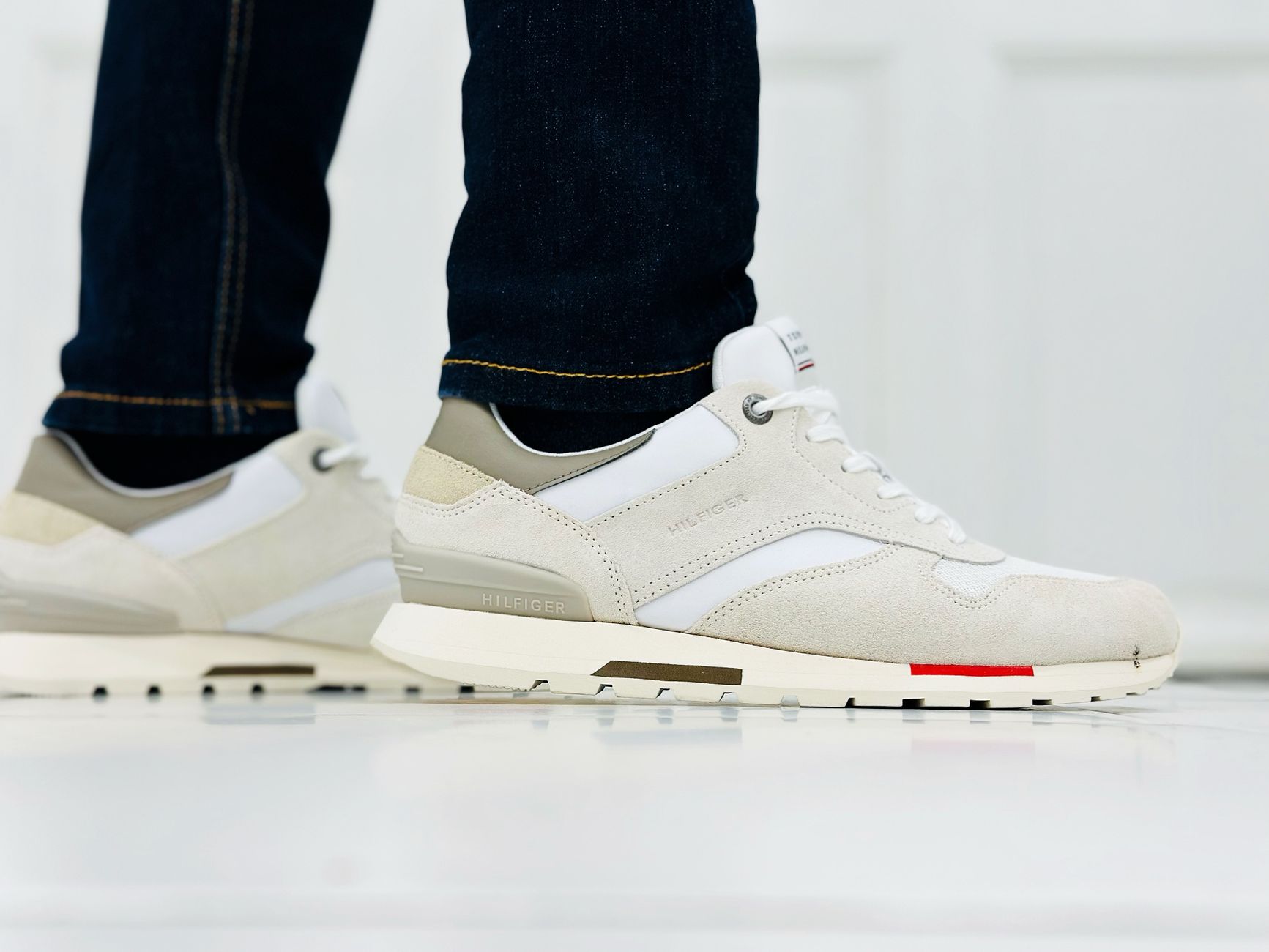
A lifestyle sneaker is built for the street, not a sport. The sole is usually flat or lightly cushioned, the silhouette is low-profile, and the design is meant to pair with jeans or chinos rather than athletic shorts. That category covers a lot of ground, from the Air Force 1 to the Adidas Stan Smith to New Balance’s 990 series.
White lifestyle sneakers sit at the center of that category because white reads as clean and versatile in a way no other color does. But “lifestyle” also means the shoe takes constant low-level abuse — pavement grit, café floors, light rain — without the protective coatings you’d find on a running shoe. That’s the trade-off most buyers don’t think about at the register.
Best White Sneakers by Price Tier
The mainstream range for white lifestyle sneakers runs roughly $60 to $180. Below $60 you’re mostly looking at fast-fashion brands with thin rubber that degrades quickly. Above $180 you’re paying for premium leather or limited-edition positioning, which matters for resale but not necessarily for durability.
My Air Force 1 came in at $110, which is its standard retail price and, honestly, fair for what you get. The full-grain leather upper resists staining better than canvas and cleans up without too much drama. The Stan Smith sits at $100 and uses a slightly thinner leather, though the flatter sole profile means less midsole exposure, which slows one specific yellowing problem I’ll get to shortly.
- Under $80: Vans Old Skool, Converse Chuck Taylor — canvas uppers, require more frequent cleaning
- $80–$130: Nike Air Force 1, Adidas Stan Smith — leather or synthetic leather, best value tier
- $130–$180: New Balance 990, Common Projects Achilles — better construction, longer lifespan
Resale is worth mentioning here. A yellowed pair of Air Force 1s can lose 30 to 40 percent of its secondhand value compared to a clean pair in the same condition otherwise. If you’re buying partly as an investment, maintenance isn’t optional.
Materials That Yellow and Why
This is where my Air Force 1 story gets instructive. The upper stayed relatively clean because leather doesn’t oxidize the way foam does. What went cream first was the midsole — the thick white foam layer between the upper and the outsole. That foam is EVA, ethylene-vinyl acetate, and it yellows through a combination of UV exposure and oxidation. There’s no fully stopping it, only slowing it.
Rubber outsoles — the actual bottom of the shoe — yellow more slowly than EVA midsoles but they do yellow, especially if you store the shoes in a warm, bright space. Some cheaper sneakers use all-EVA construction to cut costs, and those tend to look dingy within six months of regular wear. Look for a shoe that lists a rubber outsole specifically, not just “rubber-look” or “durable compound,” which usually means EVA with a texture pressed into it.
Canvas uppers like those on a Converse absorb grime faster than leather and are harder to fully restore once stained. With my Air Force 1s, I could scrub the leather upper and get back to about 90 percent white. A canvas shoe after the same treatment might come back to 75 percent, well, maybe 70 if the stain had time to set.
Keeping White Sneakers Actually White
The cleaning schedule most people use is reactive — they clean when the shoe looks dirty. By then, some of that grime has already bonded to the material. A better approach is every two weeks regardless of how they look. That’s the cadence I settled on after ruining the first pair, and it’s kept subsequent pairs looking new well past the six-month mark.
For product, I use Jason Markk cleaner, which runs about $12 a bottle and lasts a long time because you only need a few drops per session. It works on leather, canvas, and most synthetics without stripping color or leaving residue. A soft-bristle toothbrush does the actual scrubbing. Avoid anything labeled “all-purpose” from a hardware store — those can dull the finish on leather uppers.
Storage matters more than most people think. UV light accelerates EVA yellowing even when the shoe isn’t being worn. I keep mine in their original boxes with the lids on, away from windows. Silica gel packets in the box help with humidity. It sounds fussy but it takes thirty seconds to set up and genuinely extends how long the white lifestyle sneakers in my rotation stay white.
One thing I’ll admit I still haven’t solved completely: deep yellowing in a neglected midsole. There are products marketed to reverse it, some of them involving salon-grade peroxide and UV lamps, but in my experience the results are inconsistent. Prevention is the only reliable strategy.
FAQs
How often should I clean white sneakers?
Every two weeks is the practical minimum, even if they look fine. Cleaning before grime bonds to the material keeps the process quick and the results closer to true white.
Do white sneakers go with everything?
Mostly yes, though they read as casual, so they don’t pair naturally with formal trousers or dress shoes territory. With denim, chinos, or shorts they’re nearly universal.
Why do white rubber soles turn yellow?
UV exposure and oxidation break down the compounds in EVA foam and rubber over time. Storing shoes away from sunlight and cleaning regularly slows the process significantly.