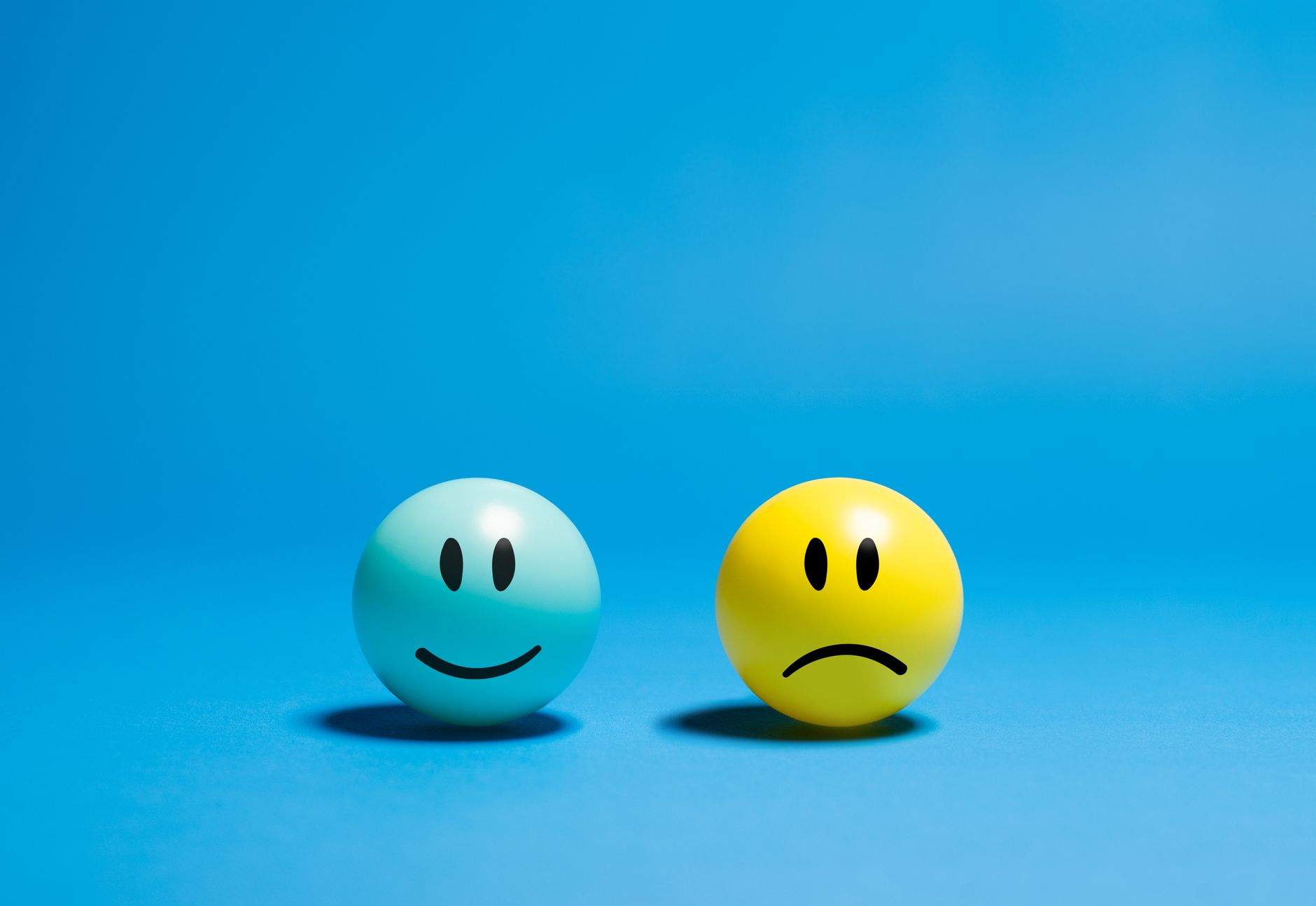
Picture this: it’s 2 pm on a Tuesday, your calendar is packed, and somehow you’re falling apart despite genuinely liking your life. That gap, between feeling okay overall and feeling terrible right now, is exactly why people need to compare and contrast mental health and emotional health instead of treating them as the same thing.
Mental health covers cognitive functioning, emotional regulation, and social well-being in a broad sense. Emotional health zooms in on how you experience and express feelings day to day. They overlap constantly, but knowing which one is wobbling changes how you respond.
What Each Term Actually Means
The WHO defines mental health as a state of well-being where you can cope with stress, work productively, and contribute to your community. It’s a wide umbrella covering psychological, emotional, and social functioning together. Emotional health, on the other hand, doesn’t have its own WHO diagnostic category. It’s more about empathy, self-awareness, and resilience, traits that matter enormously but don’t appear on any official checklist.
Mental health disorders include things like depression, anxiety, and schizophrenia, all of which require clinical diagnosis and often structured treatment. Emotional health challenges, such as persistent grief or poor anger management, tend to be contextual and personal rather than sitting neatly inside a diagnostic box. That’s not a flaw in the system, it just means the two operate under different frameworks.
Where They Overlap and Diverge
When I try to compare and contrast mental health and emotional health, the overlap is the first thing I notice. Prolonged sadness, which is emotional distress, can slide into clinical depression if left unaddressed. And someone already managing anxiety will often experience emotional dysregulation on top of it, showing up as mood swings or short-fused irritability.
But here’s where they split: emotional dysregulation is a symptom listed across several DSM-5 disorders, not a standalone diagnosis. So emotional health issues are real and serious, yet they usually appear inside a broader mental health context rather than as their own category. Therapy like CBT works on both, reframing thought patterns on the mental side while building regulation skills on the emotional side, but the entry point matters for which techniques you lean on first.
How Stress Exposes the Difference
Stress is basically a diagnostic tool. When pressure builds, someone can hold their professional responsibilities together perfectly well (mental toughness intact) while quietly crumbling when a colleague snaps at them (emotional stability gone). From what I’ve seen, this split confuses people more than almost anything else in their own self-assessment.
Burnout is a clear example. The ICD-11 classifies it as an occupational phenomenon, not a mental health disorder, yet it wrecks cognitive output, kills motivation, and leaves people emotionally hollowed out. You can be clinically fine and still be burning up. That’s the whole point of trying to compare and contrast mental health and emotional health: one being intact doesn’t protect the other automatically.
Improving Each One Separately
For mental health, the practical moves are fairly well-known: regular sleep, consistent exercise, mindfulness practice. I’ll admit I’m less certain about which order matters most, and honestly it probably varies by person. These habits support cognitive resilience and help your brain regulate stress before it compounds.
Emotional health takes a different angle. Journaling helps, not because writing is magical, but because it forces you to name what you’re actually feeling rather than just sitting in it. Strong social relationships also buffer emotional distress in ways that solo habits can’t replicate. If you want targeted therapy, Emotionally Focused Therapy (EFT) is specifically built for emotional regulation work, while CBT fits better when the concern is thought patterns and mental functioning. Knowing which struggle you’re dealing with saves a lot of time in finding the right support.
What to Take Away
When you genuinely compare and contrast mental health and emotional health, you stop trying to fix everything with one approach. They influence each other, sure, but they need separate attention. Treating your emotional health as just a symptom of your mental health, or vice versa, tends to leave something important unaddressed. A more honest self-inventory asks both questions: how is my thinking and coping? And how am I actually feeling, right now, today?
FAQs
Is emotional health the same as mental health?
They’re related but distinct. Emotional health centers on regulating feelings, while mental health covers cognitive functioning and social well-being more broadly.
Can you have good mental health but poor emotional health?
Yes. You can manage responsibilities and cope well overall while still struggling to process or express emotions in a healthy way.
How do I know if I need therapy or just emotional support?
If emotional struggles are persistent or affecting daily functioning, therapy is worth pursuing. Occasional overwhelm that passes on its own may respond well to support from trusted people in your life.