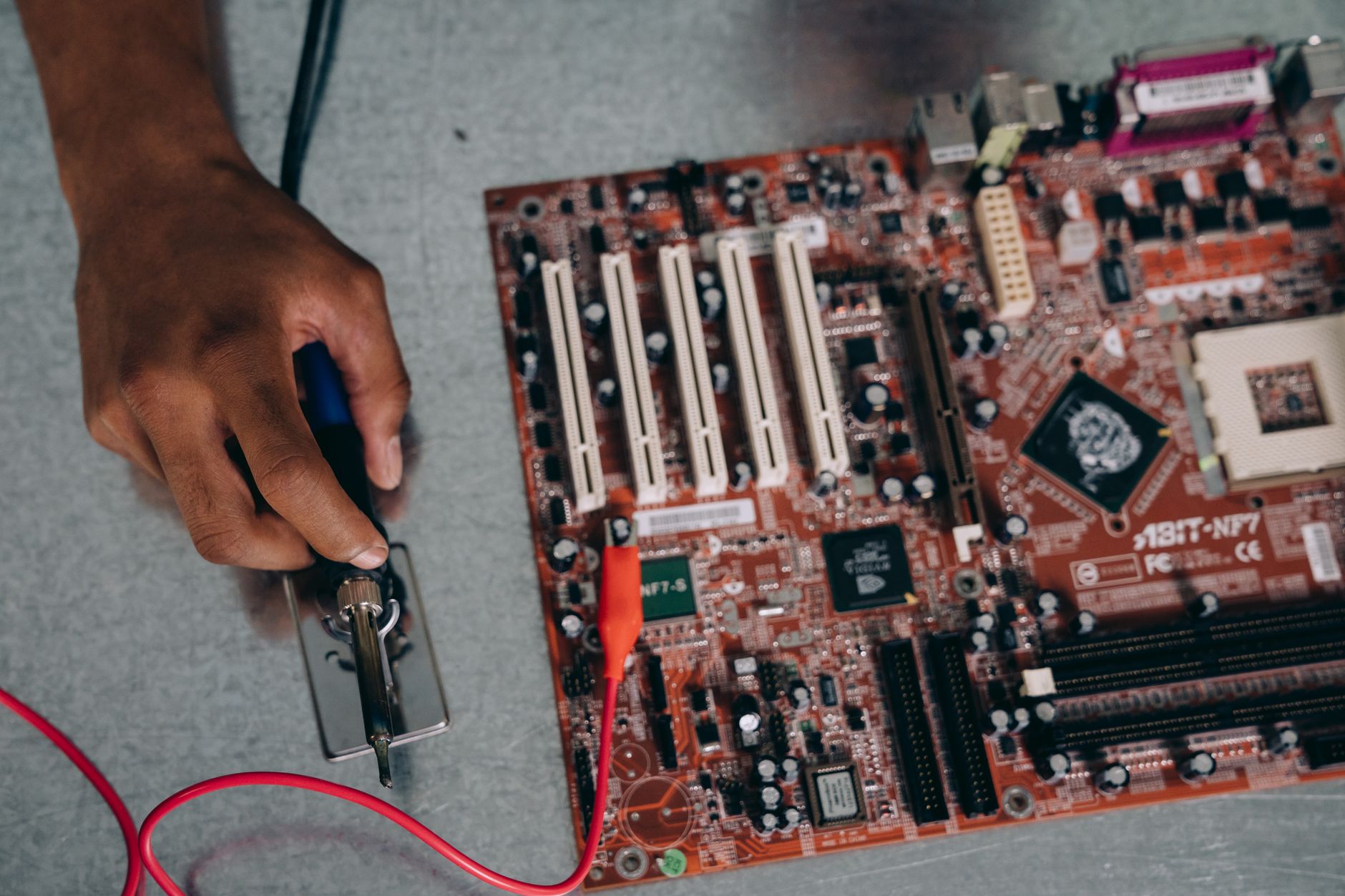
Electronics engineering technology quietly shapes almost everything around us, and most people don’t give it a second thought. From the phone in your pocket to the thermostat on your wall, this field is behind more of daily life than most folks realize. As of 2023, around 38,000 positions are expected to be filled in this sector, with salaries sitting near $104,000 a year. Worth paying attention to.
People tend to underestimate how broad this discipline actually is. It covers smartphones, wearables, industrial control systems, and the embedded logic inside appliances you’ve owned for years. So this article walks through what the field involves, what skills matter, and where it’s heading.
What Is Electronics Engineering Technology
At its core, electronics engineering technology means designing, building, and managing electronic systems and devices. It pulls from both electrical engineering theory and hands-on application, so practitioners spend real time on circuit design, prototyping, and troubleshooting rather than pure research. When I picture this work, it’s someone at a bench with a schematic open on one screen and an oscilloscope reading on another. The job is equal parts analytical and physical.
The underlying knowledge base covers analog and digital circuits, signal processing, microprocessor design, and control systems. These aren’t separate topics; in practice they overlap constantly, and understanding how they connect is what separates a competent engineer from a great one.
Key Skills and Competencies
Circuit design is the obvious foundation, but programming matters just as much now. Embedded systems work typically calls for C or Python, and if you can’t write clean, efficient code you’ll hit a ceiling fairly fast. Simulation tools like MATLAB and SPICE are standard in most shops, letting engineers test a design before anyone cuts a single board. That saves real money and time.
Collaboration is something job postings mention and candidates often underestimate. Most hardware projects involve mechanical engineers, software developers, and sometimes regulatory specialists all working from the same schedule. Good written communication matters more than people admit. And the honest downside of this field is that continuous learning isn’t optional; technologies shift fast enough that skills from five years ago can feel stale, which takes real personal discipline to keep up with.
Career Opportunities and Job Market
Electronics engineers work across telecommunications, automotive, healthcare, consumer electronics, and defense. The spread is wide enough that someone who starts in one sector can move to a very different one without starting over. A client of ours made that jump from medical devices to EV battery systems and found the core skills transferred almost directly. With roughly 38,000 U.S. openings in the current market, new graduates are in a reasonably strong position.
IoT and embedded systems experience are what hiring managers keep asking for specifically. Companies building connected products need people who understand both the hardware and the network layer, and that combination is still fairly rare. Experience opens doors to lead engineer or project manager roles, and the salary jump at that level can be significant.
Impact on Everyday Technology
Think about how many electronic devices you touched before noon today. Your phone, your coffee maker, the car’s dashboard display, the building’s access panel. Electronics engineering technology is in all of them. The field has driven the shift toward smarter, more responsive devices and, more recently, toward appliances that talk to each other over a home network.
Sustainability is pushing things further. Energy-efficient power systems and low-consumption chips are now design requirements, not afterthoughts. Engineers working on this side of the field are cutting standby power draw in consumer devices by amounts that add up across millions of units. It’s less glamorous than a new product launch, but the impact is real.
Future Trends in Electronics Engineering
Integrating machine learning directly into hardware is the shift I find most interesting right now. Engineers are building inference capabilities into devices that previously just collected data and sent it elsewhere. That changes what the hardware needs to do and what skills the engineers need to have. The IoT side is expanding too, and security is increasingly where the hard problems live, because connected systems create attack surfaces that earlier generations of products didn’t have.
3D printing is starting to change how components get made, especially for rapid prototyping. Being able to iterate on a physical part in hours rather than weeks changes the design process noticeably. It’s not replacing traditional manufacturing at scale yet, but for early-stage development it’s become a normal part of the workflow.
Education’s Role in Getting There
Programs at MIT, Stanford, and UC Berkeley are well known in electronics engineering technology for good reason; their curriculum and research connections are hard to match. But strong regional universities produce working engineers every year, and where you studied matters less once you have two or three years of solid experience on your record. The coursework in math, physics, and computer science builds the mental framework. Labs and internships are where it becomes useful.
Professional certifications can fill specific gaps and signal commitment to a hiring manager reviewing a stack of resumes. They’re not a substitute for project experience, but as a complement they do help, especially early in a career.
Where This Field Is Going
Electronics engineering technology isn’t slowing down, and the range of industries that need this expertise keeps expanding. If you’re considering the field, the combination of hardware fundamentals and software fluency is the strongest position to be in. The salary data and job numbers support getting in; what keeps people there is genuine curiosity about how things work at a component level.
FAQs
What does an electronics engineer actually do day to day?
Most of the work involves circuit design, writing embedded code, running simulations, and debugging hardware until it behaves as specified. Project meetings and documentation take more time than most students expect.
Which universities are best for this field?
MIT, Stanford, and UC Berkeley are the most cited names, but strong programs exist at many state universities and produce engineers who are just as hireable.
What salary can electronics engineers expect?
Around $104,000 per year on average in the U.S., with considerably more available at the senior and lead-engineer level.