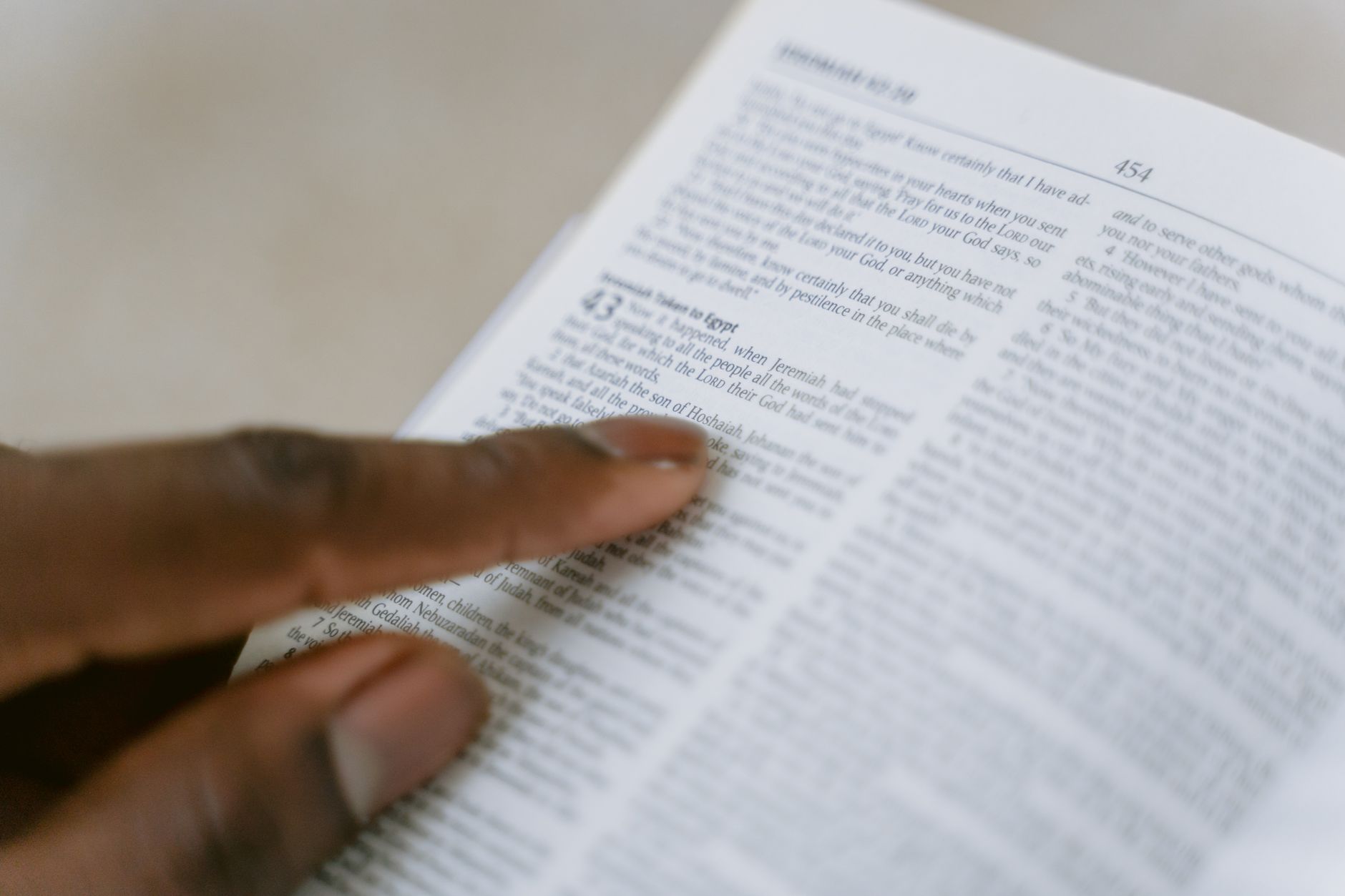
A friend of mine kept Philippians 4:7 taped to her bathroom mirror for a full year during the worst of her anxiety. She told me it wasn’t magic, but reading it every morning gave her somewhere to put her fear before the day started. That small habit is exactly what I want to talk about here.
Bible verses for mental health aren’t a replacement for therapy or medication, and most pastors and Christian counselors I’ve spoken with would say the same thing. But scripture has a real, documented effect on emotional regulation, and for a lot of people it’s the most accessible tool they have. So let’s look at which verses actually get used, what the research says, and how to build a practice around them.
Key Bible verses for peace
These ten show up most often in clinical pastoral settings and in personal accounts from people managing anxiety, depression, and grief. I’m not ranking them, because the one that lands hardest depends entirely on where you are.
- Philippians 4:6-7 — “Do not be anxious about anything… the peace of God will guard your hearts.”
- Isaiah 41:10 — “Do not fear, for I am with you.”
- Psalm 34:18 — “The Lord is close to the brokenhearted.”
- Matthew 11:28 — “Come to me, all who are weary, and I will give you rest.”
- Romans 8:28 — “All things work together for good for those who love God.”
- 2 Timothy 1:7 — “God gave us a spirit not of fear but of power and love and self-control.”
- Psalm 23:4 — “Even though I walk through the valley of the shadow of death, I will fear no evil.”
- Lamentations 3:22-23 — “His mercies are new every morning.”
- Joshua 1:9 — “Be strong and courageous. Do not be afraid.”
- 1 Peter 5:7 — “Cast all your anxiety on him because he cares for you.”
Psalm 34:18 and Matthew 11:28 come up constantly in grief counseling specifically. Romans 8:28 sees more use in long-term depression contexts, where the need isn’t immediate comfort but a longer view of suffering. That’s worth keeping in mind when you’re choosing where to start.
Does faith actually affect mental health?
The research here is more solid than most people expect. A study published in JAMA Psychiatry found that people who attended religious services regularly had significantly lower rates of depression and suicide over a 14-year follow-up. A separate review in Psychological Medicine looked at over 60 studies and found consistent links between religious coping and lower anxiety scores, particularly in populations facing serious illness.
What’s harder to measure is the mechanism. Is it community? The cognitive reframing that prayer encourages? The sense of meaning? Probably all three, but scripture reading specifically seems to function like a form of cognitive restructuring, which is a core CBT technique. You replace a catastrophic thought with a grounded one. “I am overwhelmed and I might not survive this” becomes “I am overwhelmed and I am not alone.” That shift is both small and enormous.
I’d be honest that the research doesn’t isolate scripture from broader religious practice very cleanly. But from what I’ve seen, and from talking with therapists in faith-based settings, people who engage with specific verses tend to do better than those who relate to religion more vaguely.
Practical ways to use scripture daily
Reading a verse once doesn’t do much. Here are five practices that actually stick, based on what therapists and spiritual directors recommend most often.
- Morning anchoring — Pick one verse and read it before you check your phone. Not ten verses. One.
- Written reflection — Copy a verse by hand into a journal, then write two or three sentences about what it means for your day specifically.
- Breath prayer — Pair a short phrase from scripture with your breathing. “You are with me” on the inhale, “I will not fear” on the exhale. Therapists use this in session.
- Evening review — At the end of the day, read the same verse you started with and note whether anything shifted.
- Memorization in small pieces — Learning a verse over a week, not overnight, means it’s available when you’re too distressed to find your phone or Bible.
The written reflection practice takes maybe five minutes. In my experience, that’s the one people skip when they’re most stressed, which is exactly when it helps most. Worth pushing through the resistance on that one.
Scripture inside therapy sessions
Christian counselors and some secular therapists with religious clients use scripture more deliberately than most people realize. Therapists trained in Biblically Integrated Cognitive Therapy, a model developed by Siang-Yang Tan at Fuller Theological Seminary, work with clients to spot distorted thought patterns and find verses that offer a grounded counter-narrative.
A client dealing with shame might spend several sessions sitting with Romans 8:1, “There is no condemnation for those who are in Christ Jesus,” not as a quick fix but as a sustained challenge to a core belief. The verse gets discussed, questioned, written out, prayed over. That’s very different from someone telling you to “just trust God.” Therapists who do this well usually carry training in both clinical psychology and theology, and that combination genuinely matters.
Some therapists are cautious about introducing scripture unless a client brings it up first, which I think is reasonable. But a therapist I know said she’s seen clients move faster on shame and self-worth when scripture is woven in, because the authority of the text carries weight that her professional voice alone doesn’t.
Where to go from here
The best use of bible verses for mental health is slow and regular, not frantic and occasional. Pulling up a verse during a panic attack can help in the moment, but the real benefit comes from verses already inside you, recalled without effort when your nervous system is flooded. That takes repetition, probably six to eight weeks of daily practice before something feels genuinely embedded.
If you’re in a hard season right now, start with one verse. Philippians 4:6-7 or Psalm 34:18 are good entry points because they’re direct about what they’re addressing. Give it two weeks before you judge whether it’s helping. And if you’re working with a therapist, bring it up because more of them are open to this than you might think.
FAQs
What Bible verses help with anxiety?
Philippians 4:6-7, 1 Peter 5:7, and Isaiah 41:10 are used most often for anxiety, because they directly address fear and offer a concrete alternative to worry.
How can scripture improve mental health?
Regular scripture reading encourages cognitive reframing, reduces rumination, and builds a sense of meaning, all factors linked to lower anxiety and depression in clinical research.
Are there studies on faith and mental wellness?
Yes. Research in JAMA Psychiatry and Psychological Medicine found consistent links between religious practice and lower rates of depression, anxiety, and suicide over long follow-up periods.